Wayanad Tunnel Landslide: The Slope Its Own Contractor Warned Would Fail
What happened
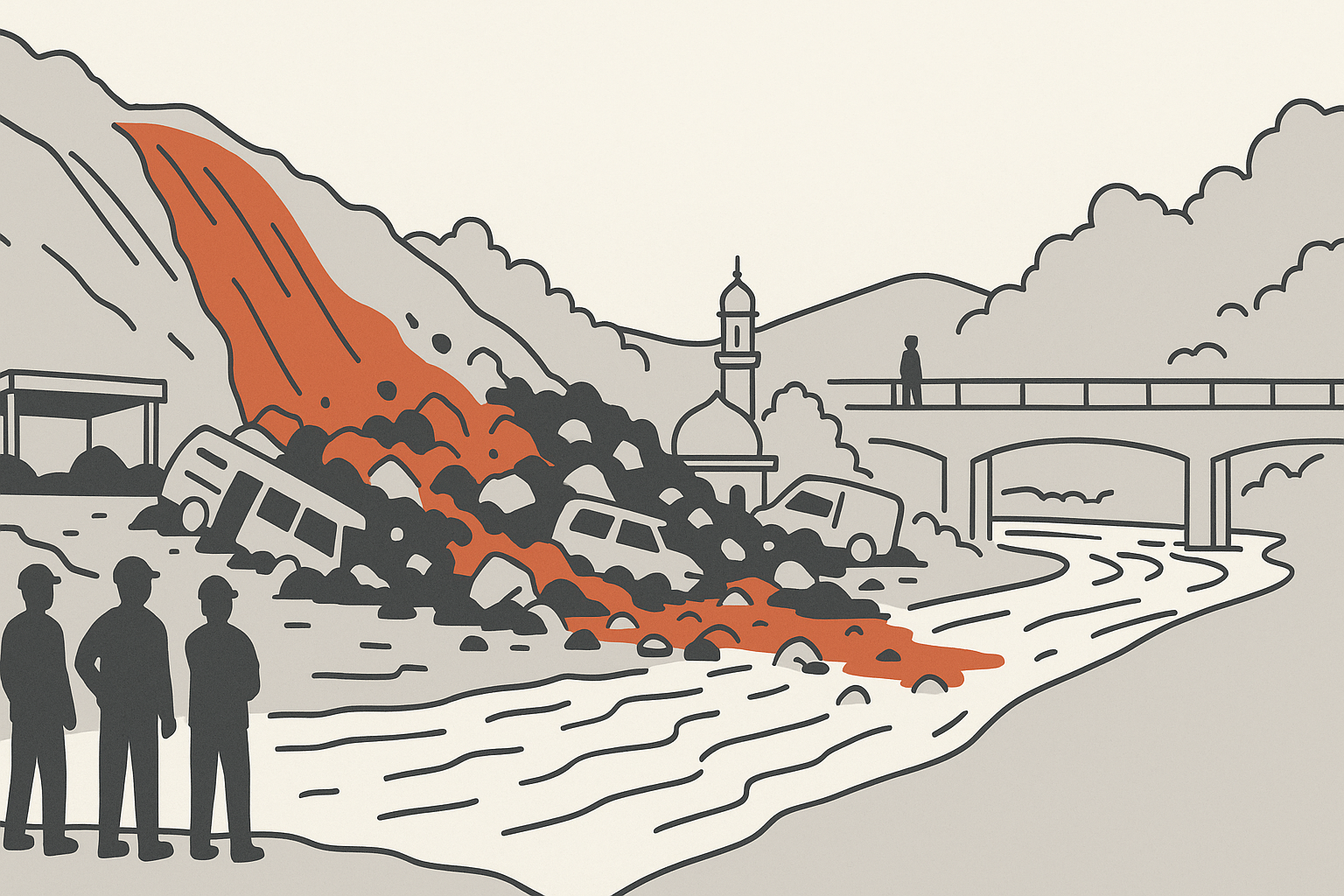
On July 7, 2026, a hillside of loose, excavated soil collapsed at the Kalladi site of the Anakkampoyil-Kalladi-Meppadi twin-tunnel project in Kerala's Wayanad district. Triggered by heavy monsoon rain, the slide of mud, water and boulders buried labour camps, a bus shelter, a mosque and vehicles near Meenakshi Bridge. Seven construction workers, almost all interstate migrants, were killed and nine were injured. One worker, a surveyor from West Bengal, remained missing for days.
Toll
Deaths
7
Injured
9
Missing
1
Root cause
What directly caused this incident
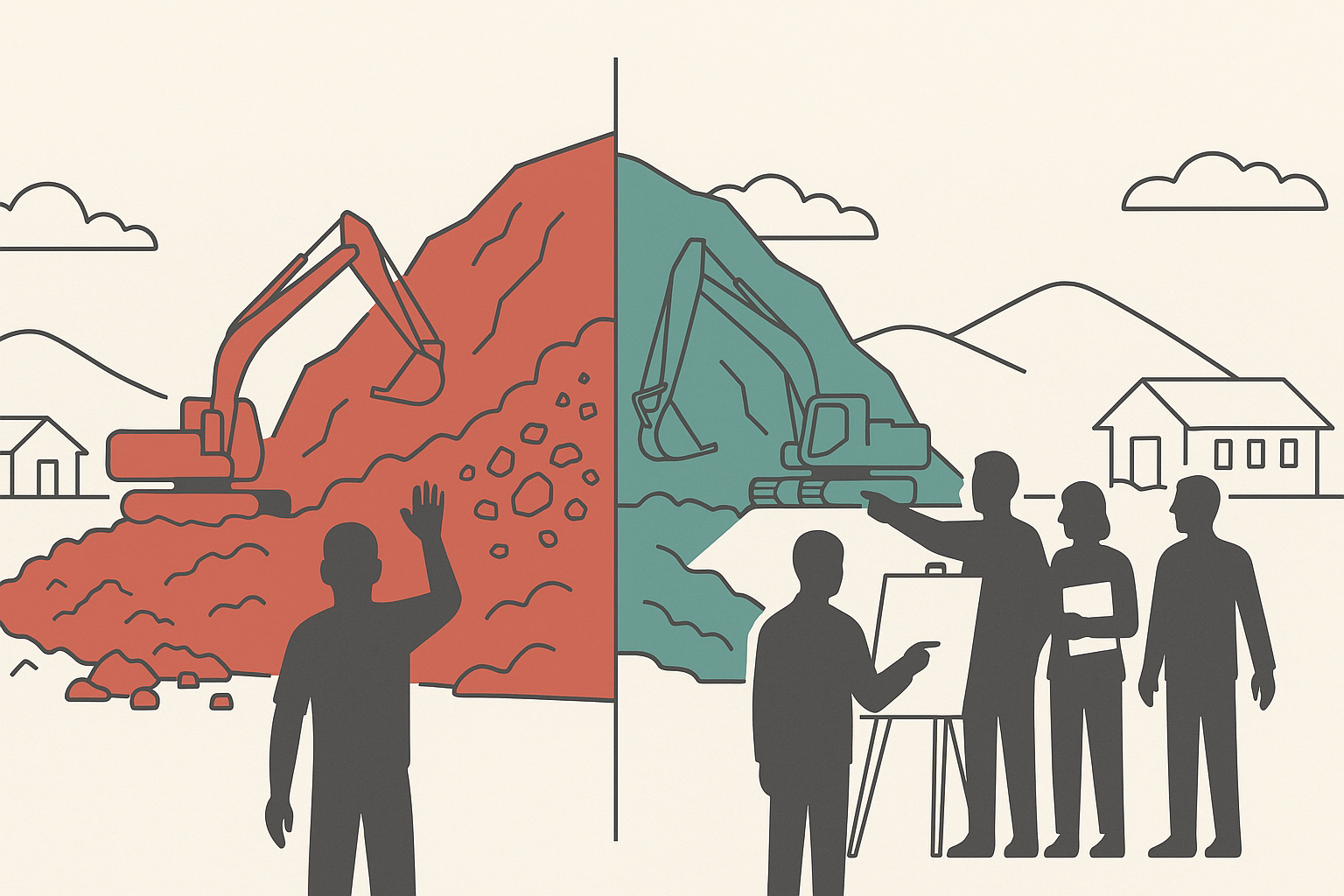
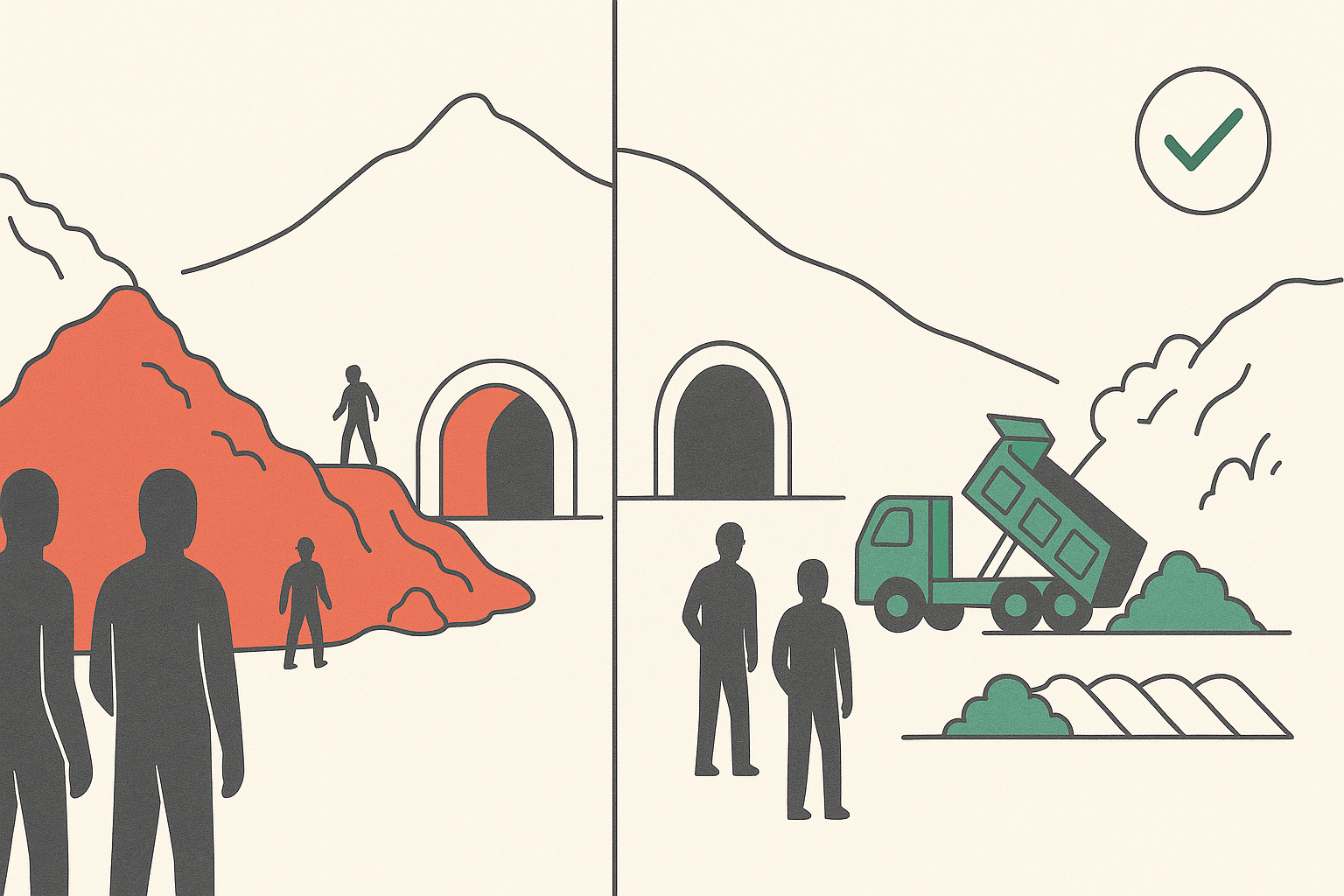
Under investigationA roughly 100-foot-high pile of excavated soil, dug out during tunnelling and dumped beside the site, gave way after Wayanad received about 265 mm of rain in 24 hours. As the artificial hill of loose earth soaked up water, it collapsed onto the workers below in a wave of mud and boulders. This was not an unforeseen event: on June 14, 2026, three weeks before the collapse, a geotechnical report, prepared by a senior geologist of the contractor Dilip Buildcon itself, warned KRCL that the slope showed tension cracks, poor drainage and 'internal erosion and piping' that could cause 'sudden slope failure at any time.' After a June 25 site inspection, the district administration ordered the contractor to stop work and reduce the debris pile on June 27; the state government says this was not complied with. Dilip Buildcon denies ignoring any order and blames rainfall it says was nine to ten times a normal July day.
In short: In short: a man-made pile of loose soil, which the contractor's own geologist warned could collapse, was not cleared before it killed seven workers.
Systemic failures
These failures existed before this incident — and will cause the next one unless the system changes.
Tracking the fix
7 actions tracked. 0 are seeing real movement. 7 have none.
Statements & demands
T Siddique — Kerala Minister and Congress leader
Hamza Manthikkara — Local resident and survivor, Kalladi
Ramesh Chennithala — Congress leader, Kerala
N Badusha — President, Wayanad Prakrithi Samrakshana Samithi
C P Rajendran — Adjunct Professor, National Institute of Advanced Studies, Bengaluru
Act
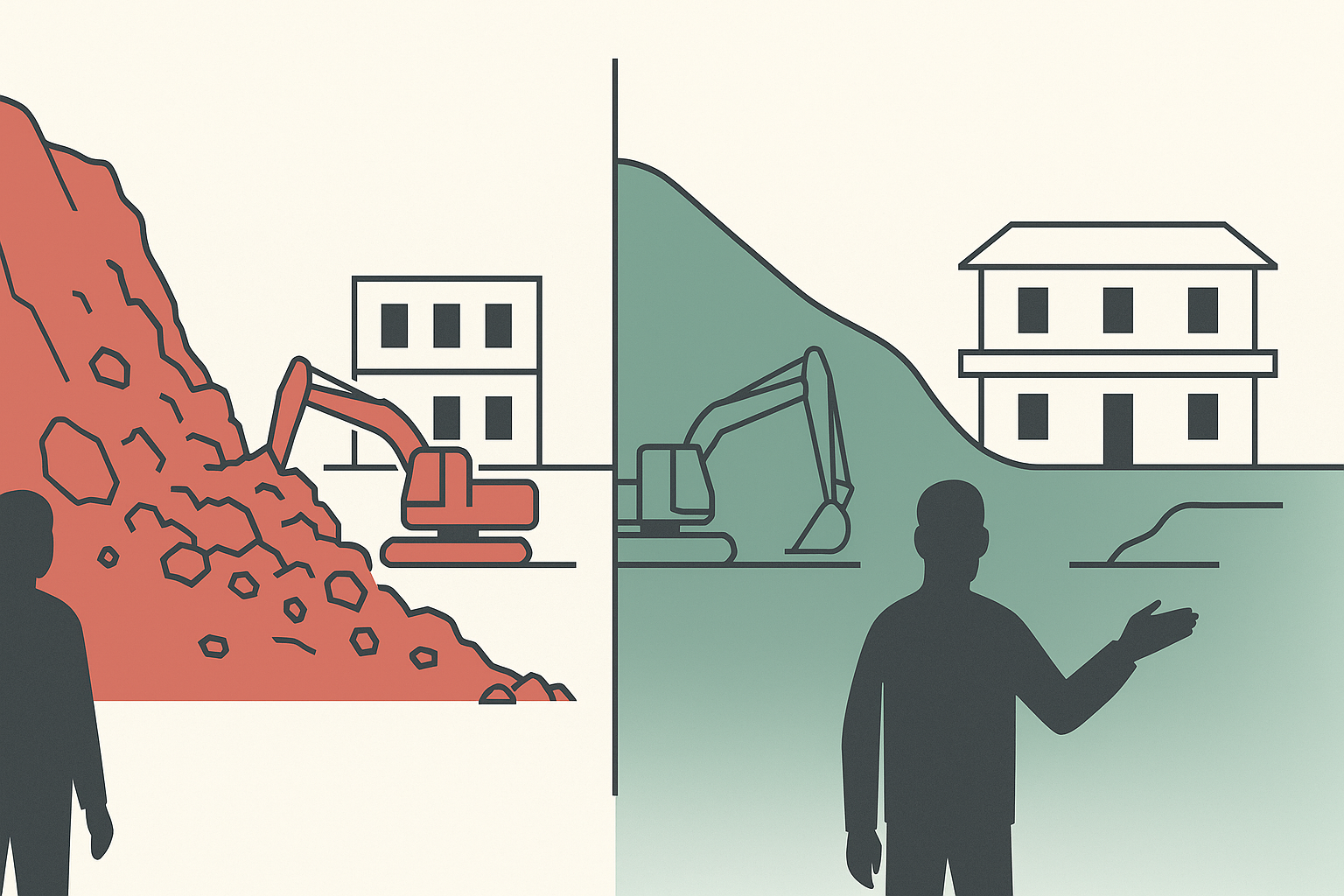
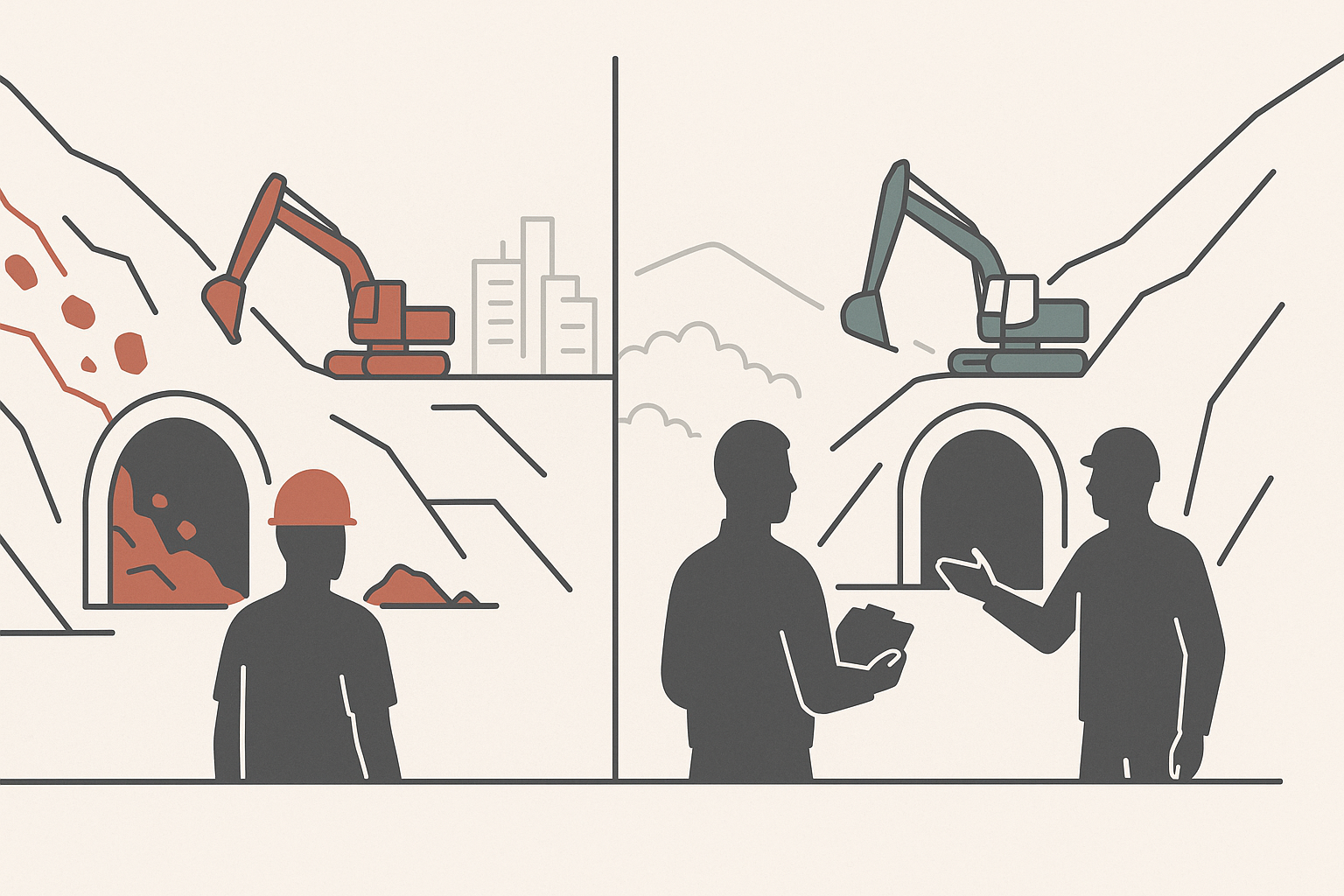
The Ministry sets and enforces the conditions attached to environmental clearances for projects like this tunnel. It has the direct power to make safe tunnel-muck disposal and independent slope monitoring a binding, audited condition, closing the exact gap that let the Kalladi pile collapse after a written warning.
Ask: Ministry of Environment, Forest and Climate Change (@moefcc)